Welcome!... Innerease

About Us
Innerease is a mindful emotional wellness hub that blends holistic healing, expressive therapies, and practical techniques.
Innerease is a mindful emotional wellness hub that blends holistic healing, expressive therapies, and practical techniques.
Welcome!... Innerease
26
May
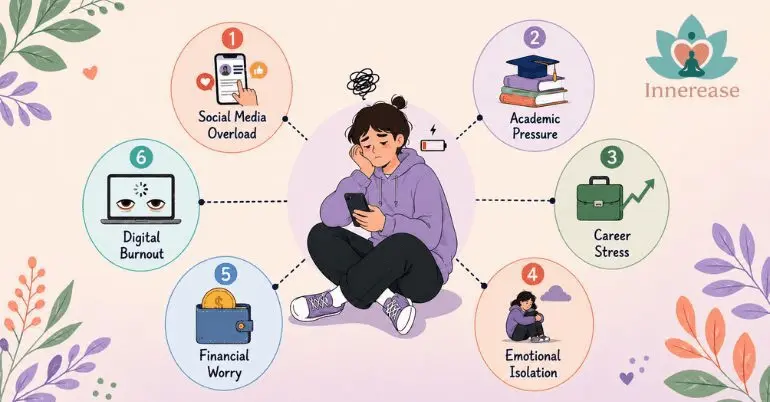
Gen Z is often described as one of the most connected generations in history. However, despite being constantly online and socially active, many young people today feel emotionally drained and mentally exhausted. Daily pressure from academics, careers, social media, relationships, and financial responsibilities has created a stressful environment where emotional balance becomes difficult to maintain. As awareness around mental wellness grows, more people are discussing emotional health openly and looking for healthier ways to manage stress.
One major reason behind mental exhaustion in Gen Z is the pressure to stay productive all the time. Social media platforms are filled with success stories, career achievements, fitness transformations, and luxury lifestyles. While this content may seem motivational, it often creates unrealistic expectations.
Many young people compare their progress with others and begin feeling left behind. This comparison slowly affects confidence and emotional well-being. The constant need to achieve more can lead to burnout, especially when individuals do not allow themselves enough time to rest and recover mentally.
Social media has become a major part of everyday life for Gen Z. From morning until late at night, many people remain connected to their phones and digital devices. Notifications, messages, videos, and endless scrolling keep the mind continuously active.
This digital overload reduces mental relaxation and affects focus, sleep quality, and emotional peace. Many individuals feel mentally tired even after resting because their brains never truly disconnect from online activity. The pressure to maintain an online image and gain validation through likes and comments can also increase emotional stress.
Academic competition and career uncertainty are also major causes of mental exhaustion. Students are expected to perform well in studies, gain new skills, and prepare for future careers at the same time. Young professionals often face pressure to secure stable jobs and succeed quickly in competitive industries.
The fear of failure and uncertainty about the future can create constant anxiety. Many individuals feel emotionally overwhelmed because they are trying to balance education, work, relationships, and personal goals all together. Over time, this pressure can seriously affect mental and emotional health.
Although Gen Z is highly connected online, many people still struggle with emotional loneliness. Real emotional conversations are becoming less common as digital communication replaces face-to-face interaction. Many individuals hesitate to share their feelings because they fear judgment or misunderstanding.
Relationship conflicts, friendship issues, family expectations, and breakups can also increase emotional stress. When emotions remain unexpressed for a long time, mental exhaustion becomes more intense. This is why emotional support and healthy communication are extremely important for overall well-being.
Financial stress is another growing concern among young adults today. Rising living expenses, career competition, and economic uncertainty create fear about the future. Many individuals feel pressured to become financially independent quickly while also maintaining a successful lifestyle.
This constant worry about money and career growth can lead to anxiety and emotional burnout. The pressure becomes even stronger when people compare their financial progress with others on social media platforms.
Many people focus on physical fitness but ignore emotional self-care. Emotional stress builds silently when individuals do not take time to relax, reflect, or heal mentally. Without healthy coping habits, stress continues increasing day by day.
Activities such as meditation, journaling, mindfulness, art expression, and guided wellness practices can help reduce emotional pressure. Today, many individuals are exploring non clinical services Ludhiana to improve emotional balance and develop healthier coping mechanisms. These wellness approaches focus on self-awareness, emotional expression, and mental relaxation without the pressure of clinical settings. Organizations like Innerease are helping individuals discover healthier ways to reconnect with themselves emotionally and mentally.
Emotional wellness is becoming more important because mental exhaustion affects every part of life, including relationships, confidence, productivity, and physical health. When emotional stress remains unmanaged, it can slowly impact happiness and daily functioning.
Supportive wellness environments help individuals feel understood and emotionally safe. Many young people are now turning toward non clinical services Ludhiana to reconnect with themselves, reduce emotional stress, and improve their overall mental well-being. Wellness-focused spaces such as Innerease encourage emotional awareness, self-care practices, and healthier emotional habits for long-term mental balance.
There are several simple ways Gen Z can improve emotional well-being and reduce mental fatigue:
Reduce unnecessary screen time
Maintain a healthy sleep routine
Practice mindfulness and meditation
Spend time in nature
Take breaks from social media
Talk openly with trusted people
Focus on hobbies and creative activities
Practice journaling and self-reflection
Small lifestyle changes can make a big difference in emotional health and mental clarity.
Gen Z faces mental exhaustion because of constant pressure from social media, academic expectations, career stress, financial worries, and emotional isolation. While these challenges are real, awareness about emotional wellness is also increasing rapidly. More individuals are prioritizing self-care, emotional healing, and healthier daily habits.
By focusing on emotional balance, healthy communication, and supportive wellness practices, young people can gradually regain mental peace and emotional strength. Taking care of emotional health is no longer optional; it has become an essential part of living a balanced and fulfilling life.

Comments (0)
No comments yet. Be the first to comment!
Leave a Comment