Welcome!... Innerease

About Us
Innerease is a mindful emotional wellness hub that blends holistic healing, expressive therapies, and practical techniques.
Innerease is a mindful emotional wellness hub that blends holistic healing, expressive therapies, and practical techniques.
Welcome!... Innerease
13
Jan
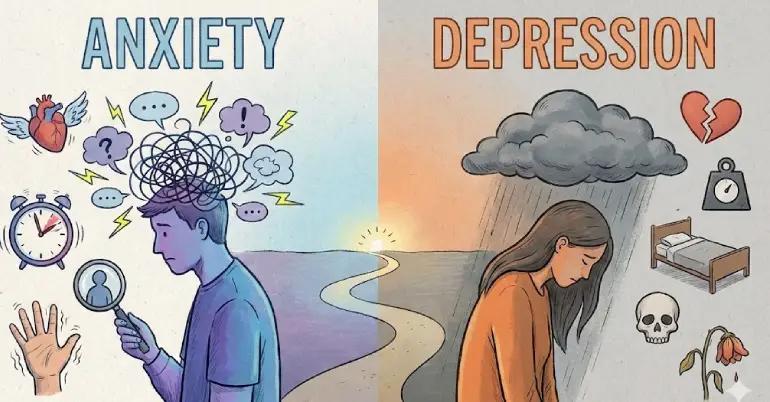
Anxiety and depression are two of the most common mental health challenges today. While many people experience them at some point in their lives, these conditions are often misunderstood or overlooked. Recognizing the signs early can make a significant difference in managing symptoms and seeking support. Emotional wellness plays a crucial role in this awareness, and platforms like InnerEase provide guidance on understanding and navigating these emotional challenges.
Anxiety is a natural response to stress that helps us stay alert, but when it becomes constant or overwhelming, it can disrupt daily life. Conditions like generalized anxiety disorder, panic disorder, and social anxiety involve excessive worry or fear that feels hard to control. Depression, in contrast, is marked by persistent sadness, loss of interest, low energy, and difficulty enjoying everyday activities. While feeling sad occasionally is normal, depression affects emotional balance and overall wellbeing. Although anxiety and depression are distinct conditions, they often occur together and share symptoms, making awareness and understanding essential for emotional wellness and timely support.
Emotional wellness is about awareness, acceptance, and management of emotions. By cultivating emotional wellness, individuals can notice patterns in feelings and behavior before they escalate. Journaling, mindful reflection, and self-check-ins are practical tools to identify signs of anxiety and depression early.
Platforms like InnerEase offer resources and guidance for self-awareness, emotional expression, and mindfulness practices. These approaches empower individuals to understand their emotional state, reduce stress, and take proactive steps toward mental health.
While self-awareness is valuable, professional guidance is crucial for managing anxiety and depression effectively. Early intervention can prevent worsening symptoms and support long-term emotional wellness. Signs that professional help is needed include:
Intense feelings of hopelessness or panic
Thoughts of self-harm or suicide
Severe disruption in daily functioning
Persistent emotional distress lasting weeks or months
A combination of therapy, mindfulness, and self-care often provides the best outcomes.
Recognizing anxiety and depression in daily life is the first step toward emotional balance and overall wellness. By paying attention to thoughts, behaviors, and physical signals, individuals can identify early warning signs and take proactive steps. Emotional wellness practices, self-awareness, and mindful reflection are powerful tools to navigate these challenges.

Comments (0)
No comments yet. Be the first to comment!
Leave a Comment