Welcome!... Innerease

About Us
Innerease is a mindful emotional wellness hub that blends holistic healing, expressive therapies, and practical techniques.
Innerease is a mindful emotional wellness hub that blends holistic healing, expressive therapies, and practical techniques.
Welcome!... Innerease
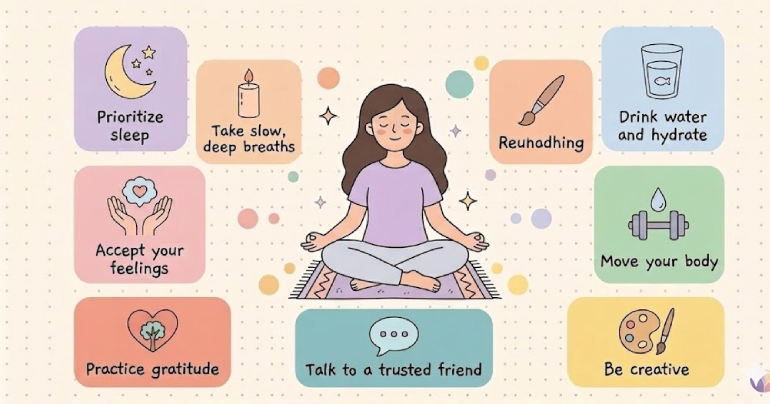
02
Apr
At InnerEase, the focus is on helping individuals understand their thought patterns and guiding them toward emotional balance and clarity. Recognizing the impact of negative thinking is the first step toward meaningful change.
Negative thinking patterns are repetitive, unhelpful thoughts that tend to focus on the worst possible outcomes. These may include assuming failure, overgeneralizing situations, or being overly critical of yourself. Common examples include thoughts like “I’m not good enough,” “Nothing ever works out for me,” or “I always make mistakes.”
Such patterns often develop from past experiences, fear of failure, or deeply ingrained beliefs. Over time, they can lead to anxiety, low self-esteem, and even affect your relationships and productivity.
When left unchecked, negative thinking can become a cycle that reinforces itself. A single negative thought can trigger emotions like fear or sadness, which then lead to more negative thoughts. This cycle not only impacts your mental health but also limits your ability to see opportunities and solutions.
Breaking these patterns allows you to respond to situations with clarity rather than reacting based on fear or assumption. It creates space for positive growth, better decision-making, and improved emotional well-being.
The first step is awareness. Start paying attention to your inner dialogue. Notice when your thoughts become overly critical or pessimistic. Writing your thoughts in a journal can help you identify recurring patterns and triggers. Once you are aware, you can begin to change them.
Not every thought you have is true. When a negative thought arises, pause and question it. Ask yourself, “Is this based on facts or assumptions?” or “What evidence do I have for this belief?” Often, you’ll find that your thoughts are exaggerated or not entirely accurate.
Instead of forcing yourself to think positively, aim for balanced thinking. For example, replace “I always fail” with “I didn’t succeed this time, but I can learn and improve.” This approach feels more realistic and helps your mind accept new perspectives.
Mindfulness helps you stay present and observe your thoughts without judgment. Techniques such as deep breathing, meditation, or simply focusing on your surroundings can reduce the intensity of negative thinking. Over time, mindfulness trains your mind to let thoughts pass rather than holding onto them.
Certain situations, environments, or even people can trigger negative thinking. Identify what affects your mindset and try to create boundaries. This doesn’t mean avoiding challenges, but rather protecting your mental space and choosing healthier influences.
Negative thinking often thrives when you feel stuck. Taking small, positive actions can break this cycle. Whether it’s completing a task, going for a walk, or reaching out to someone, action shifts your focus from thinking to doing. This builds confidence and reduces the power of negative thoughts.
Sometimes, breaking negative thinking patterns can feel overwhelming. In such cases, seeking professional guidance can be extremely helpful. At InnerEase, supportive sessions are designed to help you explore your thoughts, understand their roots, and develop healthier ways of thinking. Having the right support can make the process smoother and more effective.
Breaking negative thinking patterns is not about eliminating all negative thoughts. It’s about changing how you respond to them. With consistent practice, you can train your mind to focus on possibilities rather than limitations.
Remember, your thoughts are powerful, but they do not define you. By becoming aware, challenging negativity, and choosing balanced perspectives, you can create a more positive and resilient mindset.
Negative thinking patterns can feel overwhelming, but they are not permanent. With the right techniques and support, you can break free from this cycle and build a healthier mental space. Start small, stay consistent, and be patient with yourself. Over time, these efforts will lead to greater emotional balance, improved confidence, and a more fulfilling life.

Comments (0)
No comments yet. Be the first to comment!
Leave a Comment