Welcome!... Innerease

About Us
Innerease is a mindful emotional wellness hub that blends holistic healing, expressive therapies, and practical techniques.
Innerease is a mindful emotional wellness hub that blends holistic healing, expressive therapies, and practical techniques.
Welcome!... Innerease
29
Jul
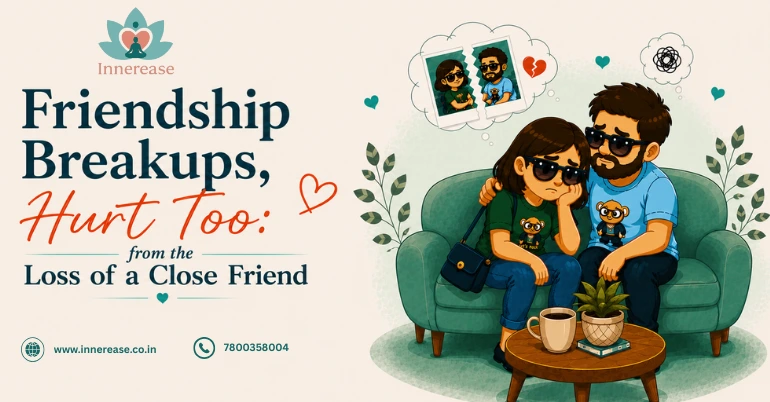
Friendship is one of the most meaningful relationships in life. Friends become the people we laugh with, confide in, celebrate milestones with, and lean on during difficult times. But while romantic breakups are openly discussed, friendship breakups often remain overlooked. The emotional pain of losing a close friend can be just as deep, leaving people confused, lonely, and emotionally exhausted.
Whether the friendship ended because of misunderstandings, changing priorities, betrayal, or simply growing apart, the grief is real. Understanding your emotions and allowing yourself to heal is an important step towards emotional well-being. If the pain begins affecting your daily life, seeking anxiety counselling in Ludhiana can help you process those emotions in a healthy way.
Many people underestimate how deeply friendships shape our lives. Unlike family relationships, friendships are built through trust, shared experiences, and mutual choice. Losing that connection often feels like losing a part of yourself.
Friendship breakups can leave you questioning your worth, replaying conversations in your head, and wondering what went wrong. Since society rarely acknowledges this kind of grief, many people feel they should simply "move on," making the healing process even harder.
The emotional impact can be surprisingly similar to a romantic breakup because friendships often provide emotional safety, comfort, and belonging.
Friendships rarely end overnight. They usually fade or break because of several factors.
1. Growing Apart - People naturally change as they move through different stages of life. Different careers, cities, relationships, or priorities may slowly create emotional distance.
2. Lack of Communication - Misunderstandings that remain unresolved often create resentment. Without honest conversations, small issues can grow into permanent conflicts.
3. Broken Trust - Dishonesty, gossip, betrayal, or repeated disappointment can damage even the strongest friendships.
4. One-Sided Effort - When only one person consistently initiates conversations, plans meetings, or offers emotional support, the relationship may become emotionally draining.
5. Toxic Behaviour - Constant criticism, manipulation, jealousy, or emotional neglect can make friendships unhealthy, even if they have lasted for years.
Sometimes ending such friendships is necessary for emotional growth, although it can still be painful.
Many people don't recognise that they are grieving because the loss wasn't romantic. However, friendship grief has its own emotional symptoms.
You may notice:
Feeling lonely despite being surrounded by people
Missing shared memories constantly
Feeling rejected or abandoned
Overthinking conversations
Difficulty trusting new people
Losing confidence
Feeling anxious before social situations
Wondering if you were the problem
These emotions are completely normal and deserve compassion rather than dismissal.
Friendship losses often create uncertainty. Questions like "Will I ever find a friend like them again?" or "Did I do something wrong?" keep repeating in the mind.
This constant overthinking can trigger:
Increased stress
Sleep disturbances
Loss of concentration
Emotional exhaustion
Social anxiety
Low self-esteem
If these feelings continue for weeks or months, professional support such as anxiety counselling in Ludhiana can help you manage overwhelming emotions and rebuild confidence.
Healing takes time, but there are positive steps that can help.
Many people minimise friendship grief because they believe they shouldn't feel so upset. In reality, emotional pain doesn't depend on the type of relationship—it depends on the connection you shared.
Allow yourself to feel sadness without guilt.
Every relationship involves two people. Instead of repeatedly analysing every conversation, accept that sometimes people change, misunderstand each other, or simply become incompatible.
Learning from the experience is healthier than endlessly blaming yourself.
Trying to fill the emotional gap immediately often leads to disappointment. Give yourself permission to heal before expecting another friendship to provide the same emotional comfort.
Emotional healing becomes easier when you care for yourself physically and mentally.
Simple practices include:
Getting enough sleep
Exercising regularly
Journaling your thoughts
Spending time outdoors
Practising mindfulness
Eating balanced meals
Limiting social media comparisons
Small habits gradually improve emotional resilience.
Every relationship teaches valuable lessons.
Ask yourself:
What qualities did I appreciate?
What boundaries did I ignore?
How can I communicate better next time?
What kind of friendships do I want moving forward?
Reflection transforms painful experiences into personal growth.
Healing doesn't always mean forgetting.
You may still appreciate the memories while accepting that the friendship belongs to a different chapter of your life.
Some friendships end because circumstances change. Others end because they no longer support your emotional well-being. Both situations can coexist with gratitude and sadness.
Moving forward means carrying the lessons without carrying the emotional burden forever.
After experiencing a painful friendship breakup, trusting others may feel difficult.
Take small steps:
Join community groups
Attend workshops
Explore hobbies
Reconnect with old acquaintances
Volunteer for causes you care about
Healthy friendships grow gradually through shared experiences rather than immediate emotional closeness.
Remember, one friendship ending doesn't define your ability to build meaningful relationships in the future.
Sometimes friendship grief becomes overwhelming and begins affecting everyday life.
Consider speaking with a counsellor if:
You constantly replay the breakup.
You avoid making new friends.
Anxiety interferes with work or studies.
You feel emotionally numb for a long time.
Your confidence has significantly declined.
The loss affects your sleep or appetite.
Professional guidance offers a safe space to process grief without judgement.
If you're struggling to move forward, anxiety counselling in Ludhiana can provide practical coping strategies, emotional clarity, and support tailored to your experiences.
Healing from a friendship breakup isn't about pretending everything is fine—it's about understanding your emotions and learning to move forward with confidence.
At Innerease, we believe every emotional loss deserves care and compassion. Whether you're experiencing loneliness, anxiety, or emotional confusion after losing a close friend, our supportive counselling approach focuses on helping you understand your feelings, build resilience, and reconnect with yourself.
Every healing journey is different, and taking the first step towards emotional wellness is a sign of strength, not weakness.
Friendship breakups may not receive the same attention as romantic separations, but they can leave lasting emotional wounds. Losing someone who once understood you deeply can create sadness, anxiety, and self-doubt. However, healing is possible when you allow yourself to grieve, practise self-compassion, and seek support when needed.
At Innerease, emotional well-being is nurtured through understanding, empathy, and professional guidance. Remember, every ending also creates space for healthier relationships, personal growth, and a stronger version of yourself. You deserve friendships that bring peace, respect, and genuine connection.

Comments (0)
No comments yet. Be the first to comment!
Leave a Comment